


21 Fascinating Insights into Indigenous Wisdom: Identity, Animals, and the Natural World
To celebrate, Indigenous History Month we are exploring the profound knowledge, vibrant diversity, and deep-rooted connections to the natural world held by Indigenous communities across the globe.
To help us reflect on and appreciate this rich heritage, we’ve compiled 21 incredible facts divided into three key themes: global identity, animal relationships, and the power of plants.
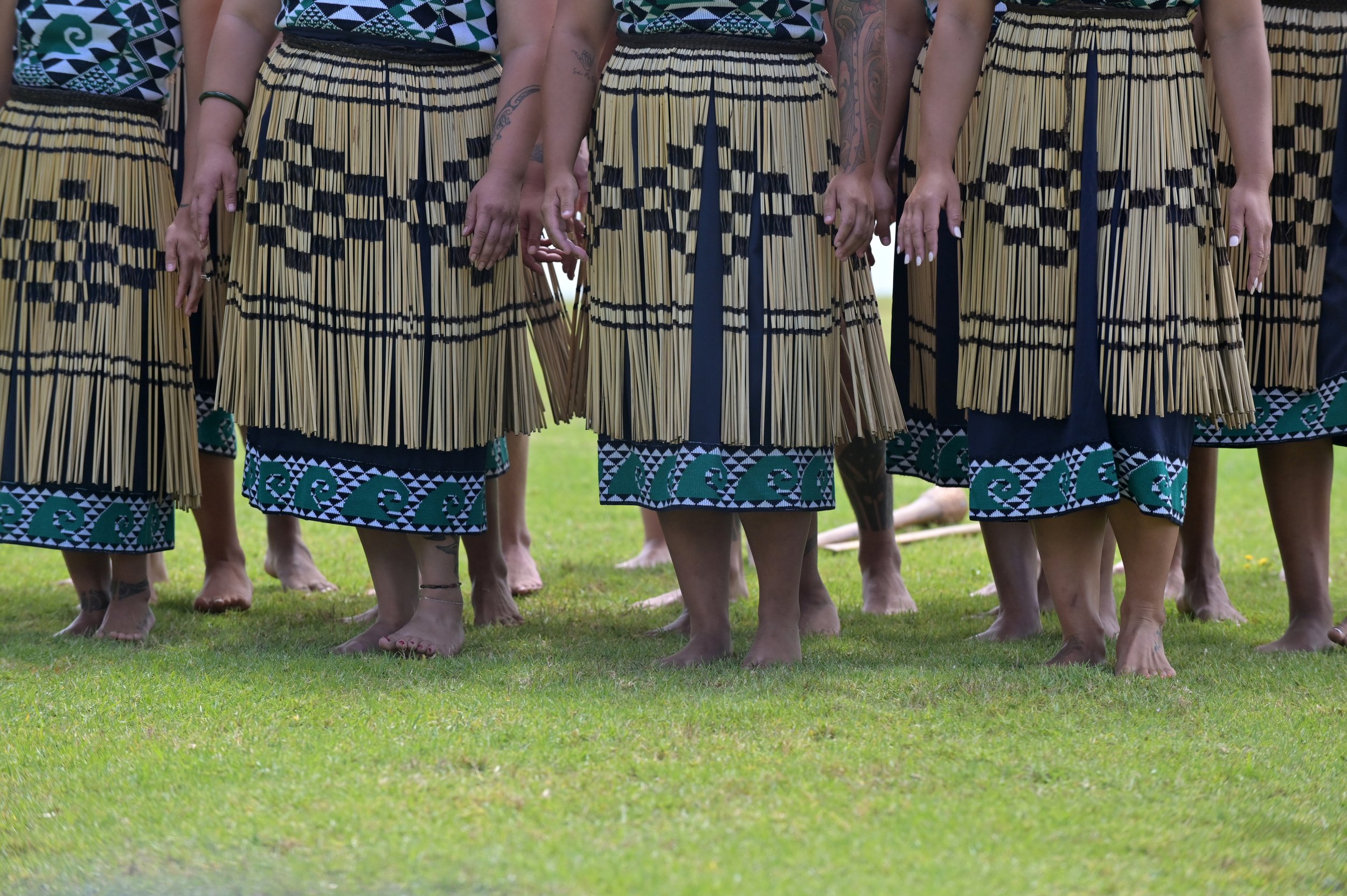
Image of women in traditional skirts.
Part 1: Identity, Diversity, and Global Solidarity
A Massive Global Presence: There are over 476 million Indigenous Peoples living in 90 countries around the world.
Incredible Diversity: While they make up 6.2% of the global population, Indigenous Peoples represent more than 5,000 distinct groups
No Single Definition: Because of this incredible diversity, the UN has never adopted a universal definition for the word "Indigenous.” Instead, identity is based on factors like self-identification, historical continuity with pre-colonial societies, and distinct cultural, economic, and political systems.
Geographic Distribution: Indigenous populations are heavily concentrated in certain regions, with 70 percent living in Asia and the Pacific, 16.3 percent in Africa, and 11.5 percent in Latin America and the Caribbean.
Guardians of Language: Indigenous Peoples speak the overwhelming majority of the world's 7,000 languages. Tragically, it is estimated that one Indigenous language dies every two weeks.
Protectors of the Land: Indigenous Peoples manage or hold tenure rights to roughly one-fifth of the world's surface area, playing a massive role in preserving global biodiversity. Nearly 70 million rely directly on forests for their livelihoods.
Environmental Champions: Indigenous-held lands consistently show lower deforestation rates and stronger carbon storage. In fact, their forestlands store about 55 trillion metric tonnes of carbon, equivalent to four times the total global carbon emissions in 2014.
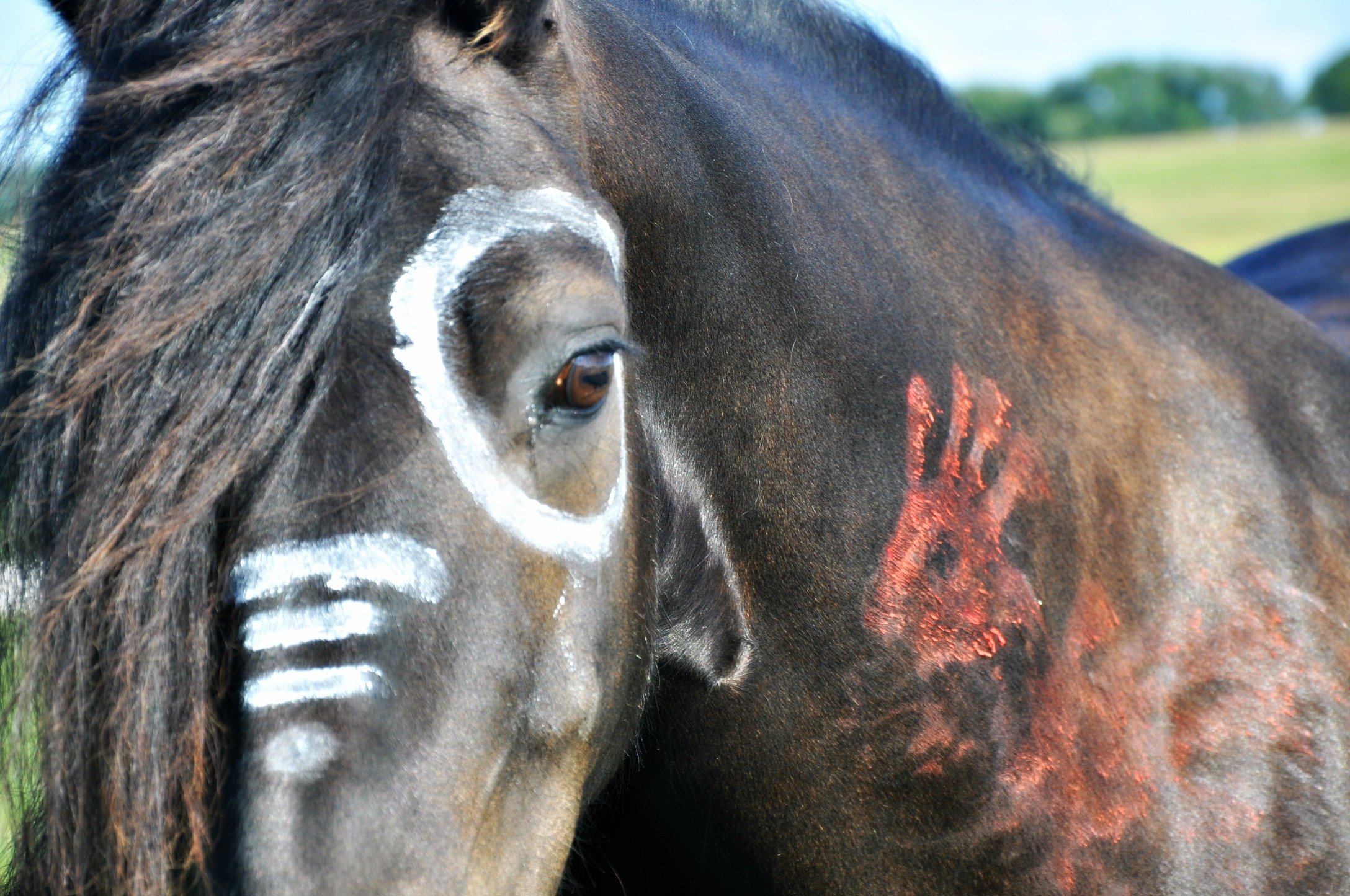
An image of a horse with painted eyes.
Part 2: Deep Connections with Animals
8. Avian Hunting Partners: In East Africa, the Yao people have developed a generations-long partnership where they use vocal calls to communicate with wild birds known as greater honeyguides, who lead them directly to beehives.
9. Co-Hunting with Whales: The Thaua people of Australia's Yuin nation famously partnered with "Old Tom," the leader of a killer whale pod. The whales would help herd baleen whales for the hunters and were rewarded with the lips and tongue from the carcass—a pact known as the “Law of the Tongue.”
10. Language Shaped by Wildlife: The Baka people of central Africa possess more than 15 different words for “elephant,” which vary depending on the animal’s age, sex, and specific temperament.
11. Sacred Birth Trees: When a child is born to Indonesia's Orang Rimba tribe, their umbilical cord is planted under a Sentubung tree. This creates a sacred, lifelong bond; cutting down this specific tree is equated to murder
12. Reindeer Creation Stories: For the Sámi people, 5 to 10 percent of whom are reindeer herders, the animal is central to life and lore. Their creation story tells of a white reindeer that formed the world: its veins became rivers, its fur became forests, and its horns became mountains.
13. Fishing Techniques: In remote areas of Brazil and Africa, Indigenous women collect plant materials during the dry season to create a natural toxin. This toxin paralyzes hundreds of fish, which can then be safely gathered by hand and eaten.
14. Honouring the Tiger: The Solega people of India revere the tiger as the animal of their creator, Madeswara. When they climb trees to harvest honey, they thoughtfully leave honeycomb on the ground for the tigers to eat, honoring the sacred animal since it cannot climb trees.
An imagine of a green plant.
Part 3: The Lore and Power of Plants
15.A Wealth of Botanical Knowledge: In Canada alone, Indigenous Peoples utilize over 1,000 different plants for food, medicine, materials, mythology, and cultural rituals.
16.The Resilient Hawaiian ʻAʻaliʻi: Native Hawaiians use the extremely hardy ʻaʻaliʻi plant—which can survive powerful winds and even lava flows—as a paste for skin diseases. Its resilience inspired Queen Liliʻuokalani’s motto, ʻOnipaʻa ("stand firm"), to lead her people through difficult times.
17. The Origins of Chocolate: The word "cacao" originates from the Mayan words "Ka’kau" (heart blood) and "Chokola’j" (to drink together). Revered as the food of the gods, traditional cacao is pure and unaltered, unlike modern chocolate which mixes in milk and sugar.
18.The Versatile Pineapple: Originating in the region of modern-day Brazil, Paraguay, and Argentina, the pineapple was called nanas ("excellent fruit") by the Tupi-Guarani and Carib peoples. Beyond food, it was used for medicine, fermented into alcohol, and its strong fibers were spun into bowstrings and cloth thread.
19.Early Oral Contraceptives: Indigenous Australian women historically used the unripe fruit of the Kangaroo Apple as an oral contraceptive. The fruit contains high levels of the alkaloid solanine, which has since been exploited internationally to mass-produce modern contraceptive pills.
20.Protecting Sacred Sweet Grass: Sweet Grass is a sacred medicine used across Turtle Island for smudging and cleansing. During periods of colonial suppression, some Indigenous communities secretly renamed it "Devil’s Grass" to prevent colonizers from confiscating and exploiting their sacred plant.
21. The "Tree of Life": The African Baobab tree provides water, nutrition, medicine, and shelter, while serving as a community gathering place. Local lore in Zambia speaks of a giant baobab that fell in love with four maidens; when they sought human husbands, the jealous tree swallowed them into its trunk, where legend says their cries can still be heard on stormy nights.
