



An evolving snapshot of Indigenous content and thoughts from our team at Jacknife!

Residential School Denialism: A Misinformation Campaign
Residential school denialism does not mean denying that the schools existed. Instead, it often means downplaying, excusing, or misrepresenting what happened.

Governance vs. Government: What’s the Difference?
When people hear the word government, they often think of elected leaders, laws, and formal decision-making. But when we talk about governance, especially in Indigenous contexts, we are talking about something much broader – the values, relationships, and processes that guide how a community makes decisions. Understanding the difference helps us better appreciate the strength and diversity of Indigenous Nations.
21 Fascinating Insights into Indigenous Wisdom: Identity, Animals, and the Natural World
To celebrate, Indigenous History Month we are exploring the profound knowledge, vibrant diversity, and deep-rooted connections to the natural world held by Indigenous communities across the globe.
To help us reflect on and appreciate this rich heritage, we’ve compiled 21 incredible facts divided into three key themes: global identity, animal relationships, and the power of plants.
Beyond checkboxes: why reconciliation requires systems thinking
Linkedin Icon-bluesky-icon Envelope Print X-twitter
Canada does not have wicked policy problems. It has deadly problems that have been documented again and again: Indigenous communities in states of emergency, children in crisis, epidemics of violence and addiction, and families without access to clean drinking water.

The History of the Canadian Peasant Farm Policy
The History of the Canadian Peasant Farm Policy

The Long Road to the Ballot Box: Indigenous Voting Rights in Canada
The history of Indigenous voting rights in Canada is a story of resilience, resistance, and a fight for something that should have been theirs from the start. It is a right most Canadians take for granted today, but for First Nations, Métis, and Inuit peoples, it came at an enormous cost, and the journey is not quite over yet.
I’m tired of feeling like I have to speak for all Indigenous people
Most people would never go to their doctor and ask them about how the justice system works and assume they have the answer because they are in the profession of helping people. Yet the same line of thinking is not extended to Indigenous professionals.
Invaders to the buffalo hunt: False claims of Indigenous heritage in education
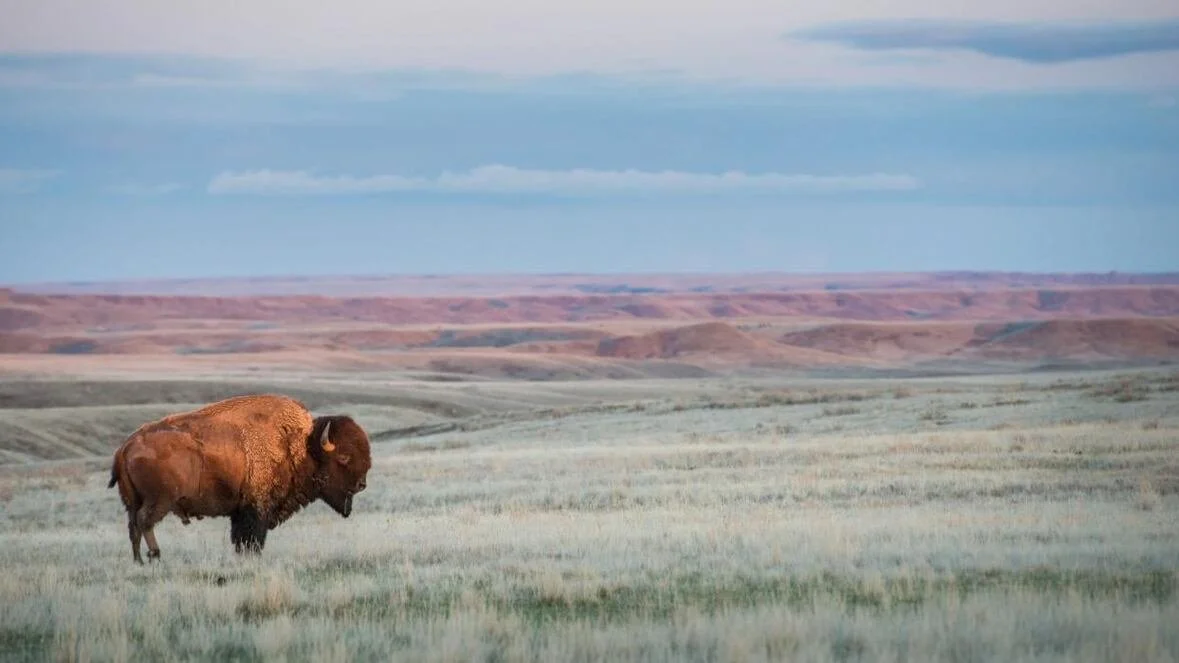
For Indigenous people of the plains, the buffalo symbolized life – it provided them with food, shelter, tools, and it sustained their communities.
Indigenous elders and scholars have claimed education is the new buffalo, because as Indigenous people become more educated, it helps communities achieve self-determination, economic freedom and cultural continuity.