


Governance vs. Government: What’s the Difference?
When people hear the word government, they often think of elected leaders, laws, and formal decision-making. But when we talk about governance, especially in Indigenous contexts, we are talking about something much broader – the values, relationships, and processes that guide how a community makes decisions. Taking the time to understand the difference helps us better appreciate the strength and diversity of Indigenous Nations.
Government: The “Who”
Government refers to the formal structures and institutions that have the authority to make and enforce laws. In Canada, this includes federal, provincial, territorial, and Indigenous governments. These systems answer questions like:
Who has legal authority
Who makes the rules
Who enforces decisions
In many First Nations, this looks like Chief and Council, a system introduced by the Indian Act. In Métis governments, leadership structures vary by region. For example, the Otipemisiwak Métis Government in Alberta is organized through elected District Councils, while the Métis Settlements are governed by elected Chairpersons and Councils. In Inuit communities, governance commonly includes elected community councils and regional Inuit organizations that represent Inuit rights and interests. These structures are important, but they represent only one layer of how Indigenous communities organize themselves.
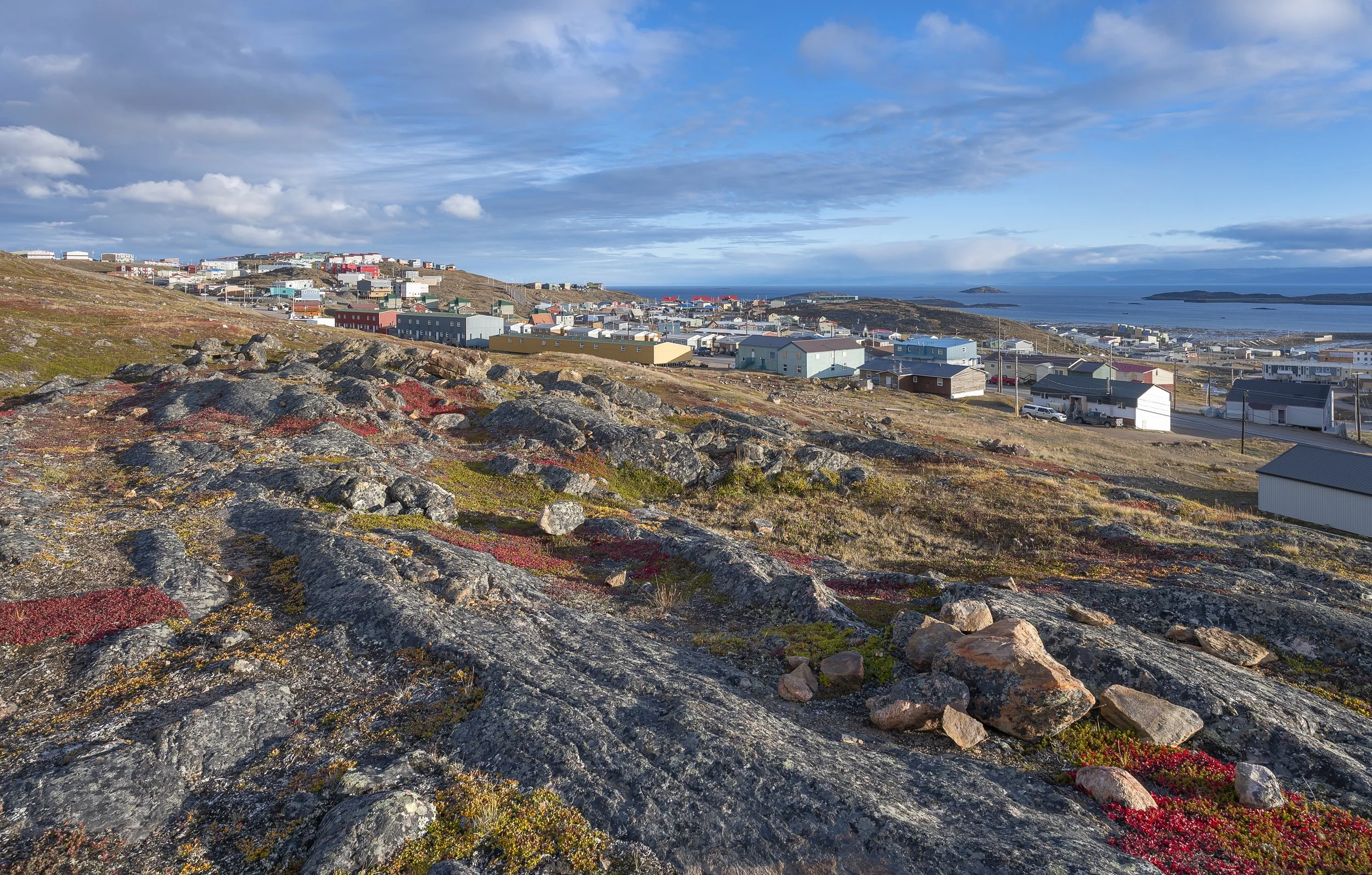
A community in Nunavut
Governance: The “How”
Governance is about how decisions are made. In Indigenous contexts, it includes the cultural teachings, relationships, and shared responsibilities that guide a community. Governance can include formal governments, but it can also include:
Elders’ councils
Clan and kinship systems
Traditional laws and protocols
Consensus-based decision-making
Responsibilities to land, water, and future generations
A simple way to understand the difference is to imagine a child’s soccer team. The coach and team manager are like the government – they hold official roles. But the governance of the team includes how parents communicate, how players support each other, and the shared values that shape the team’s culture. Governance is therefore the culture and process behind the structure.
Indigenous Governance in Practice
Indigenous Nations had governance systems long before colonial governments arrived. These systems were adaptive and rooted in accountability. Leadership was based on service, not authority. Decisions were often made through consensus, ensuring that every voice was heard and that choices supported future generations.
The Assembly of First Nations (AFN) reflects this approach today through its commitment to the sovereignty of each First Nation. While it has an elected National Chief, its work is guided by collective decision-making among Regional Chiefs to advance shared priorities.
Traditional Blackfoot governance offers one example. Leadership was based on generosity, responsibility, and service to the community. Decisions, such as those guiding buffalo hunts, were made collectively and upheld through shared laws and community accountability.
The Mi'kmaq Grand Council (Mi’kmawey Mawio’mi) offers another example. Long before European contact, the Mi'kmaq had a governance system that united communities across districts. Leadership was earned through fairness, generosity, and the respect of the people, while important decisions were made through consensus with the guidance of Elders.

An image of two tipi’s
Why Does This Matter?
Government is about authority. Governance is about accountability, participation, and shared responsibility. When the two are confused, expectations become unclear. As Indigenous Nations reclaim and rebuild their own governance systems, the goal is not to “fit” into a single model, but to shape systems that reflect each Nation’s values, cultures, and vision for the future.
References
Assembly of First Nations. (n.d.). About us. https://afn.ca/about-us/
Calgary Aboriginal Urban Affairs Committee. (2020). Summary of Indigenous Governance Best Practices. https://pub-calgary.escribemeetings.com/filestream.ashx?DocumentId=149379
Canada Soccer. (2017). Canada Soccer: Governance Guide. https://canadasoccer.com/wpcontent/uploads/2026/02/CanadaSoccer_Guide_To_Governance_EN.pdf
Macdonald-Laurier Institute. (n.d.). Fixing Indigenous governance. https://macdonaldlaurier.ca/fixing-indigenous-governance/
Union of Nova Scotia Mi'kmaq. (n.d.). Mi'kmaq Grand Council. https://www.unsm.org/grand-council
